Explore the people, places, and stories that shaped Downtown Flat Rock — from Indigenous heritage and early settlement to industrial growth and preservation efforts led by the Flat Rock Historical Society.
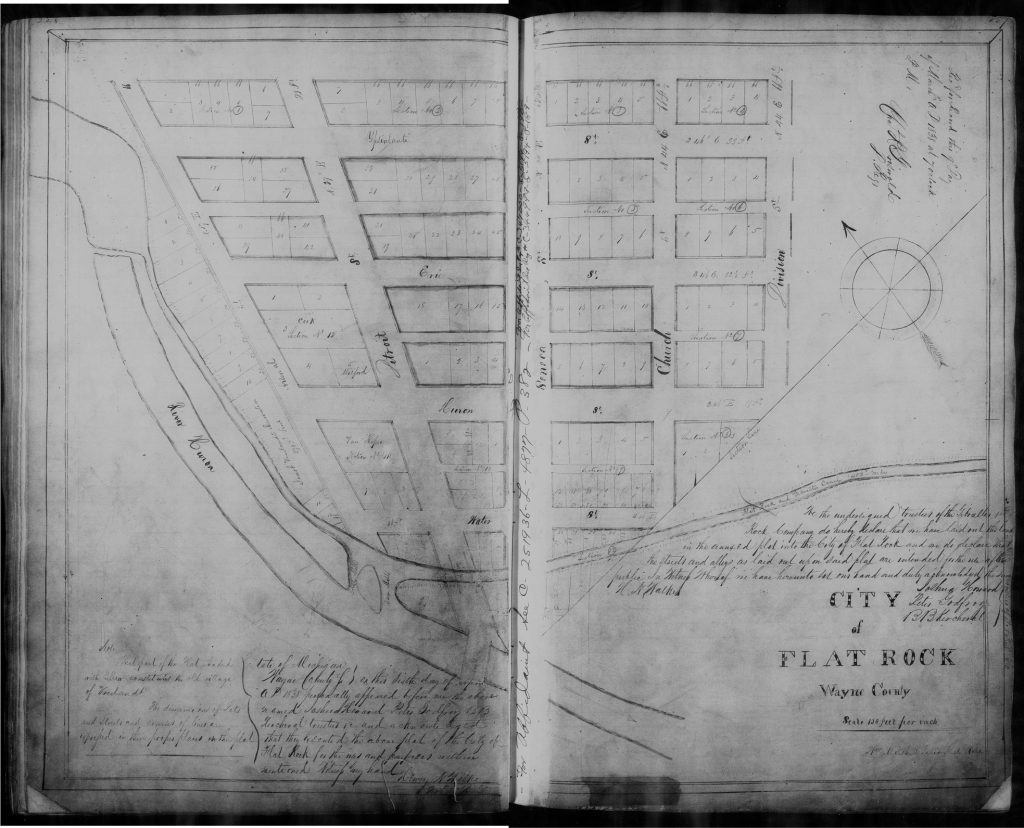
Long before it became the center of commerce and community life it is today, the area now known as Downtown Flat Rock was home to Indigenous peoples, including Wyandot communities who lived along the Huron River in the early 19th century.
In 1811, Michael Vreeland and his five sons — early European-American settlers — purchased large tracts of land and began to establish what would eventually become Flat Rock. The Vreeland family brought the first grain and lumber mills to the region, engaging in critical early industry while laying the roots of the local economy.
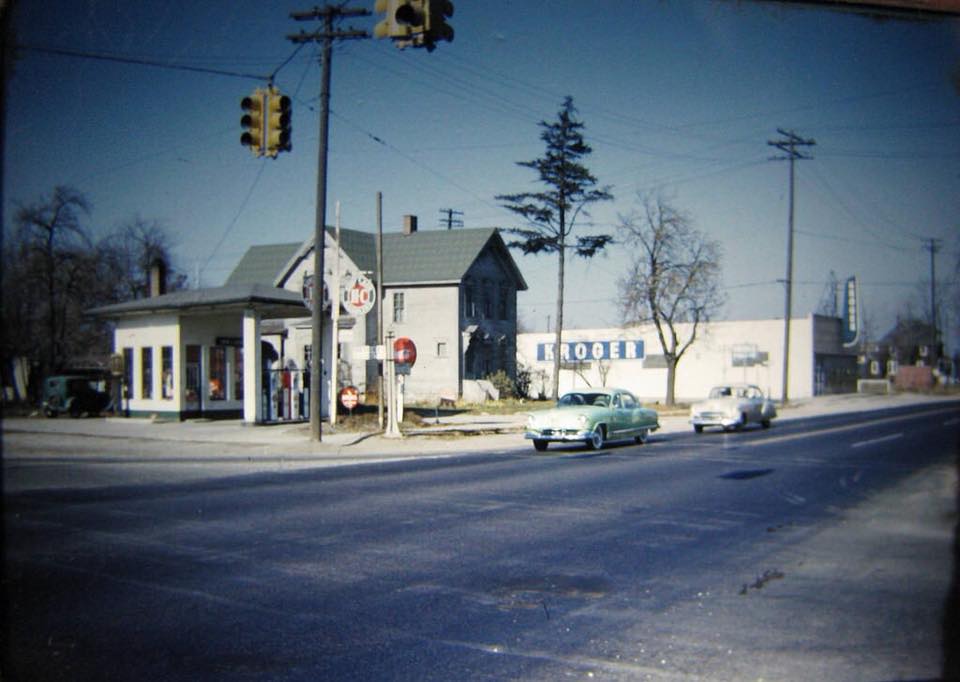
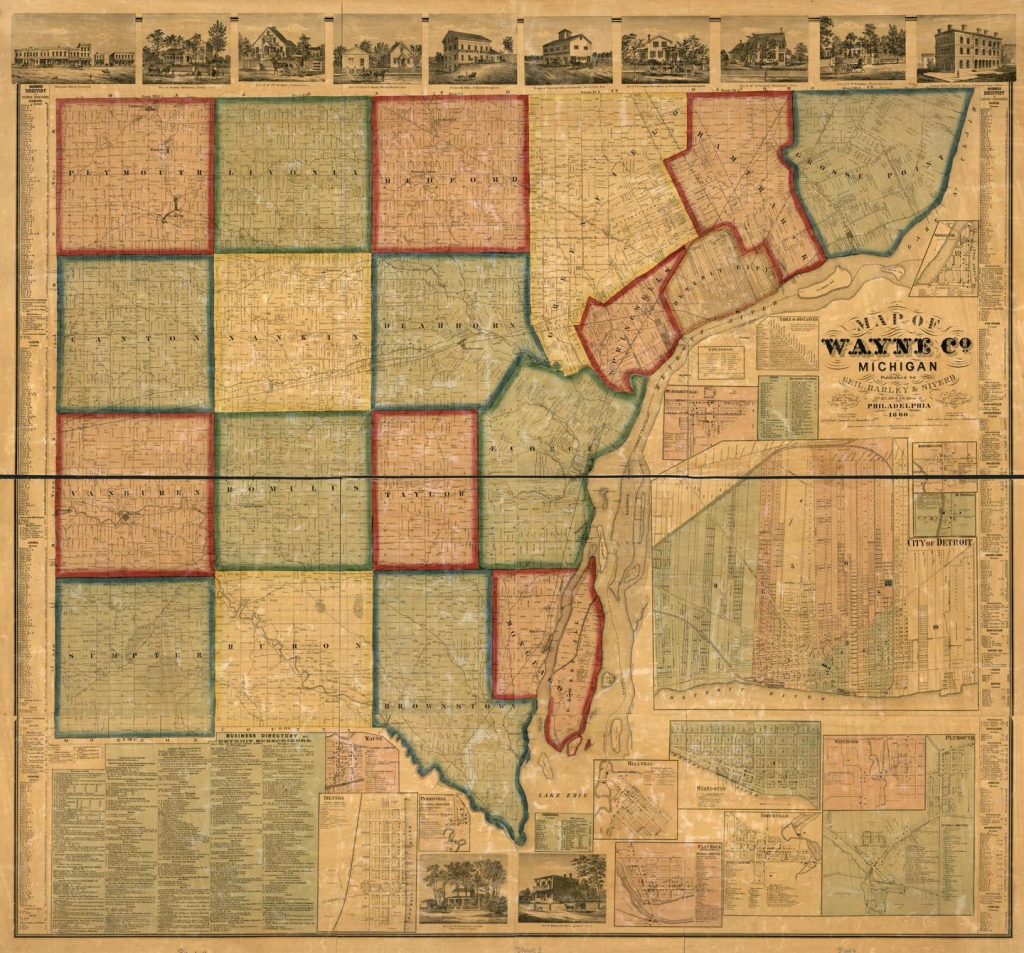
Originally called the Village of Vreeland, the community expanded steadily throughout the 19th century. Its strategic location along the Huron River made it an ideal spot for mills and early commerce, fostering growth in surrounding neighborhoods.
The 20th century brought transformative change: in the 1920s, Henry Ford’s Ford Motor Company Lamp Factory was established along the river, catalyzing both population growth and economic development. The resulting industrial activity supported new infrastructure, including the Flat Rock Dam, which powered local operations and helped shape the modern industry of the city.
Flat Rock continued to evolve from a rural settlement into an incorporated village in 1923, and ultimately a city in 1965, weaving its industrial legacy into broader community life.
Wikipedia
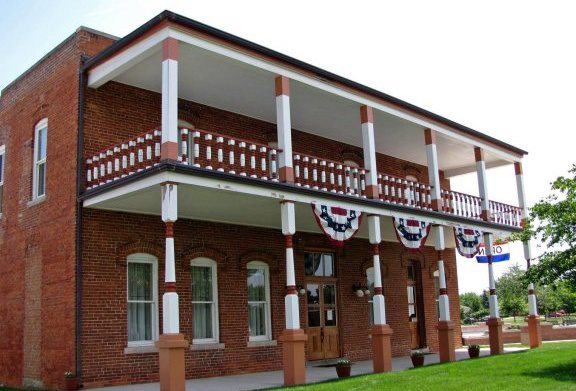
The Flat Rock Historical Society has played a pivotal role in documenting and preserving the city’s rich heritage. Founded with a mission to work in the present to preserve the past, the Society maintains archival materials, hosts events and tours, and educates locals and visitors alike about the community’s history. flatrockhistory.org+1
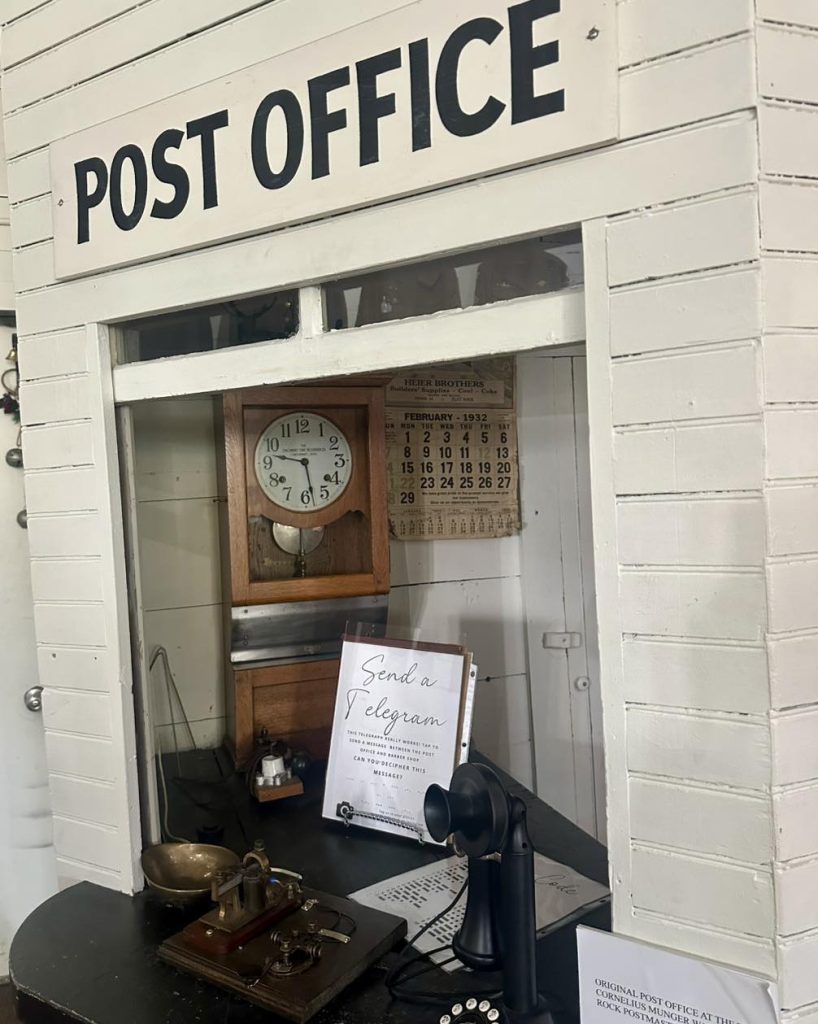
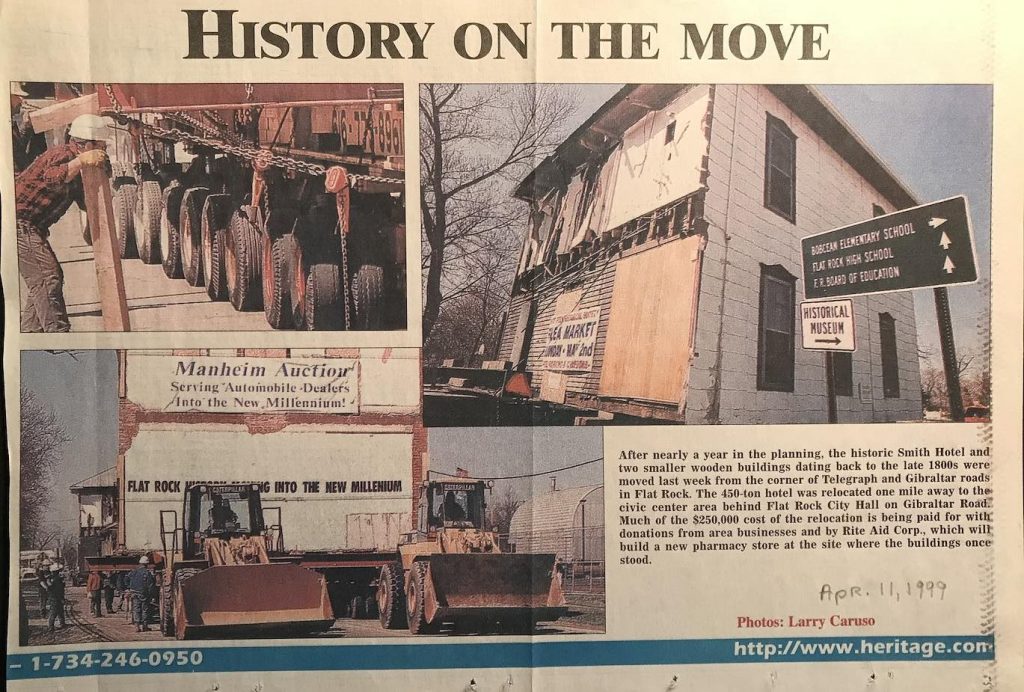
Through initiatives like the preservation of historic buildings — including the Smith’s Flat Rock Hotel, Munger General Store, Langs-Wagar House, and Stoflet Carriage House — the Historical Society ensures that Flat Rock’s story remains accessible for future generations.
Flat Rock’s history is more than dates and buildings — it’s the stories of people and community life. From the mills and early families who first settled the land to the volunteers who catalog historical artifacts today, the spirit of Flat Rock is carried forward through active preservation and shared memory.